
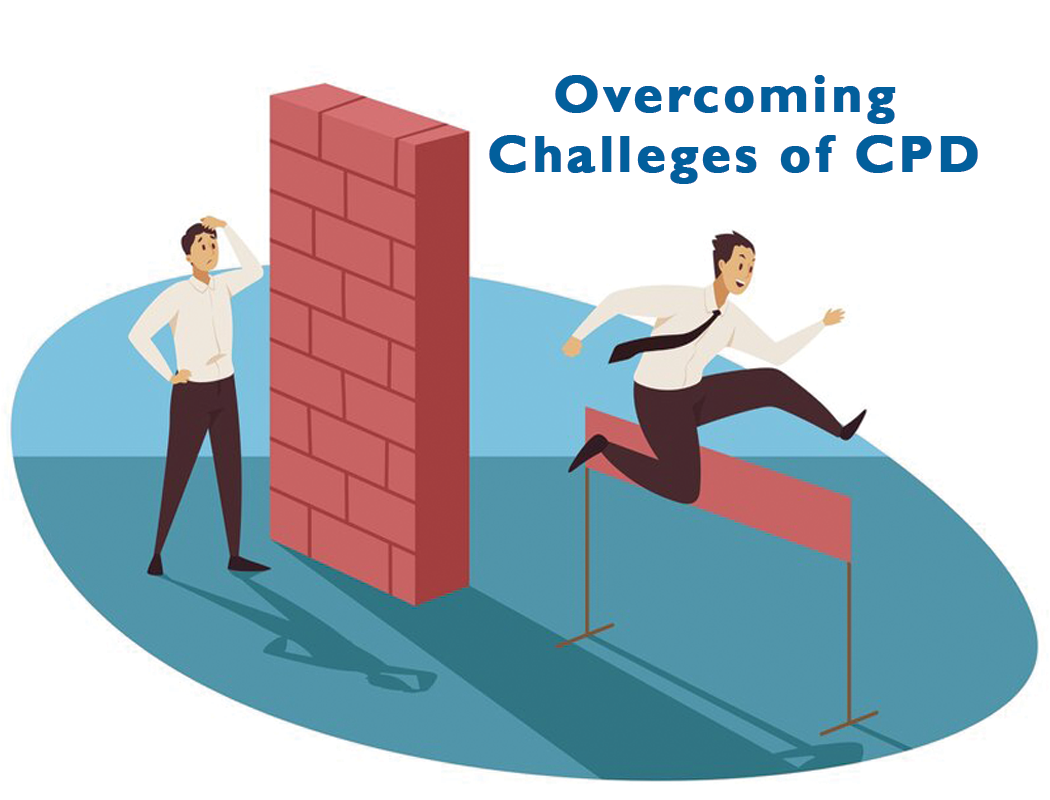
Overcoming Challenges with CPD for Health Professionals in Ethiopia
Continuing Professional Development (CPD) plays a crucial role in ensuring that health professionals stay up-to-date with the latest medical knowledge and skills. However, health professionals in Ethiopia, particularly those in rural areas, face several challenges when it comes to accessing and participating in CPD activities. In this blog post, we will explore some of the key challenges and discuss potential strategies to overcome them, ensuring that health professionals have the opportunity to enhance their professional growth and provide high-quality healthcare services.
- Limited Access to Educational Resources:
Rural health professionals often have limited access to educational resources such as libraries, academic centers, and qualified instructors. This can hinder their ability to stay updated with the latest medical advancements. To address this challenge, innovative solutions can be implemented, such as mobile learning platforms or tele-education programs, which provide remote access to educational resources and facilitate knowledge sharing among healthcare professionals.
- Time Constraints:
Health professionals frequently face heavy workloads and time constraints. This makes it challenging for them to allocate dedicated time for CPD activities. Employers and healthcare institutions can support their staff by adopting flexible work schedules or providing dedicated time for CPD within their work routine. Additionally, leveraging technology for self-paced learning or offering blended learning programs can allow professionals to engage in CPD at their convenience.
- Financial Constraints:
CPD activities can be costly, creating a financial barrier for health professionals, especially those with limited financial resources. Efforts can be made to increase the availability of affordable or subsidized CPD opportunities, such as government-funded initiatives or partnerships with healthcare organizations and professional associations. Seeking external funding or sponsorships for CPD programs can also help mitigate the financial burden for health professionals.
- Limited Support from Leadership:
Some healthcare organizations may not prioritize CPD for their staff, which can hinder the participation of health professionals in CPD activities. Advocacy and awareness campaigns can be launched to emphasize the importance of CPD and its impact on healthcare outcomes. Engaging leadership at various levels to promote a culture of lifelong learning and providing incentives for CPD participation can help create a supportive environment for health professionals.
- Addressing Cultural Barriers:
Cultural beliefs and attitudes towards lifelong learning may pose challenges to CPD engagement. Cultural sensitivity and tailored approaches to CPD can help overcome these barriers. Emphasizing the practical relevance of CPD to daily clinical activities and showcasing successful role models within the community can help shift perceptions and encourage participation.
Conclusion:
Continuing Professional Development is vital for health professionals to deliver high-quality healthcare services. By recognizing and addressing the challenges faced by health professionals in accessing CPD opportunities, we can create an enabling environment that supports their professional growth. Collaboration between government, healthcare institutions, professional associations, and other stakeholders is crucial in developing innovative solutions, providing financial support, and fostering a culture of lifelong learning. Together, we can overcome these challenges and ensure that health professionals in Ethiopia have access to the CPD opportunities they need to excel in their careers and provide the best possible care to their patients.
As the CPD Center of Bethel Medical College, we are committed to collaborating with stakeholders who are interested in addressing the challenges faced by health professionals in accessing Continuing Professional Development opportunities. We welcome partnerships and opportunities to work together towards finding solutions. To get in touch with us and explore potential collaborations, please CLICK HERE to contact us.